
While November’s midterm elections welcomed a host of new members of Congress and senators, a recent Wall Street Journal report highlighted an often-overlooked consequence of the vote: the influence of down-ballot races and the regulatory power of state insurance commissioners.
State Insurance Commissioners Take Center Stage
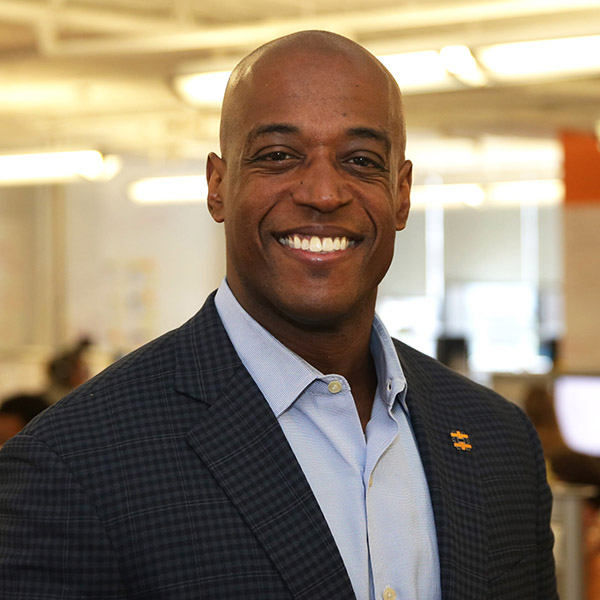
Several newly elected commissioners have pledged to push back against rising home and auto premiums for consumers. However, incoming California Insurance Commissioner Jane Kim has drawn the sharpest scrutiny for her proposal to establish a state-run residential wildfire insurance program, a move that could sideline private carriers in high-risk zones.
California has a long history of aggressive insurance and wildfire policy. In 2020, Kim’s predecessor, Ricardo Lara, rolled out a database featuring more than 400 eco-friendly insurance options. A year earlier, Governor Gavin Newsom signed Assembly Bill 1054 and AB 111, collectively known as the 2019 Wildfire Legislation, creating a wildfire fund that utilities can pay into and tap if their equipment sparks a blaze. Half of that fund comes from participating utilities, while the other half is collected through a monthly surcharge on residential and commercial utility bills.
Could State-Backed Programs Reshape Catastrophe Coverage?
If Kim succeeds in reshaping wildfire coverage in California, comparable frameworks could emerge elsewhere. Other wildfire-exposed states, such as Colorado, might adopt similar models, while flood-prone states like Florida and Iowa could explore parallel state-backed flood programs.
Shifting severe catastrophe risks, such as wildfires and floods, toward state-backed mechanisms could ease severe claims exposure for private insurers. In theory, shedding those tail risks would give carriers more room to stabilize rate hikes across standard homeowners and auto policies.
A Hybrid Approach May Offer the Best Path Forward
Even so, because wildfires carry such extreme financial severity, completely pushing private insurers out of the market may be impractical. A hybrid approach, pairing a state wildfire program with continued private-market participation, is more likely to keep coverage accessible for homeowners while protecting both public and private balance sheets from being exhausted by major disasters.
Consumers shouldn’t wait for sweeping policy changes to ease rising insurance costs. Because state-backed programs and hybrid catastrophe models take time to implement, and still have limits, policyholders should work with their insurance broker now to review coverage limits, deductibles, and wildfire or flood exclusions, while documenting mitigation upgrades for potential discounts. Staying connected with a broker also helps households track post-election regulatory updates and prepare for rate shifts, eligibility rules, or new coverage options before renewal.
State-backed insurance programs may help stabilize coverage markets, but meaningful change takes time. As regulations and coverage options evolve, proactive planning and expert guidance remain essential to protecting financial security. In a changing insurance market, preparation and informed guidance remain among the strongest tools consumers have.