
Resources

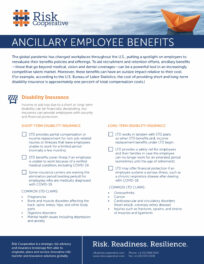
Ancillary benefits can be a powerful tool in an increasingly competitive talent market. Moreover, these benefits can have an outsize impact relative to their cost.
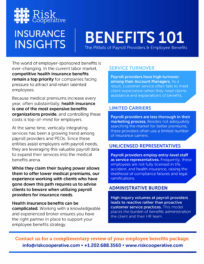
Our experience working with clients requires us to advise clients to beware when utilizing payroll providers or PEOs for insurance needs. There are several pitfalls to avoid when these firms claim their buying power allows them to help control rising healthcare costs.
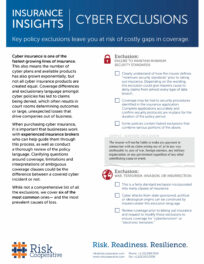
Not all cyber insurance products are created equal. Coverage differences and exclusionary language amongst cyber policies has led to claims being denied, which often results in court rooms determining outcomes or large, unexpected losses that drive companies out of business.
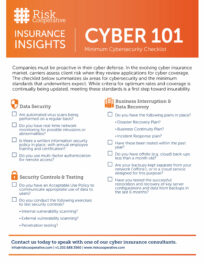
In the evolving cyber insurance market, carriers assess client risk when they review applications for cyber coverage. This checklist summarizes six areas for cybersecurity and the minimum standards that underwriters expect. While criteria for optimum rates and coverage is continually being updated, meeting these standards is a first step toward insurability.
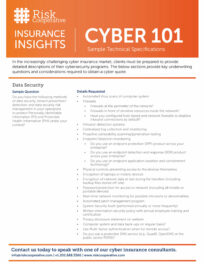
In the increasingly challenging cyber insurance market, clients must be prepared to provide detailed descriptions of their cybersecurity programs. The below sections provide key underwriting questions and considerations required to obtain a cyber quote.
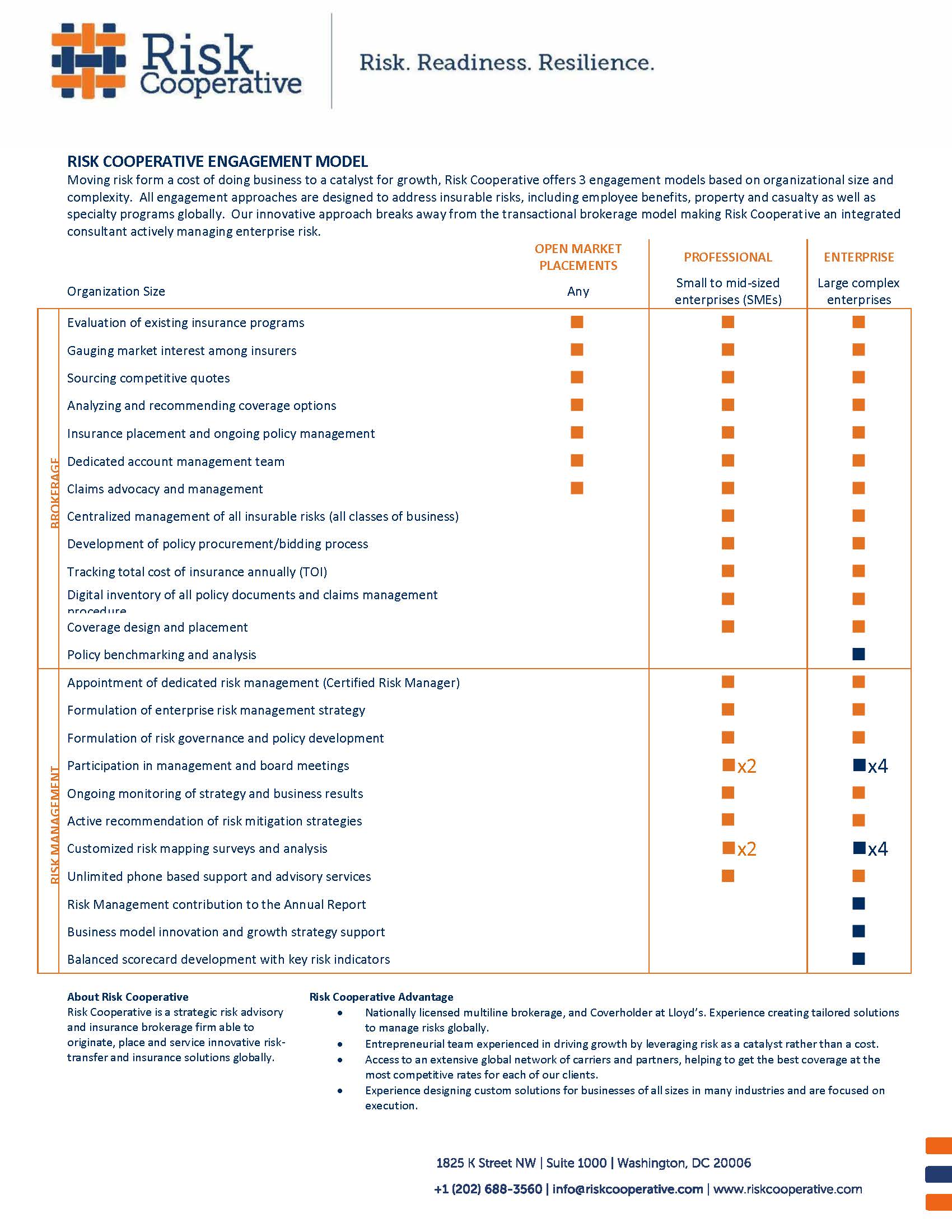
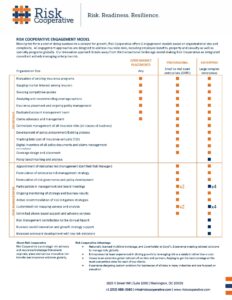
Moving risk form a cost of doing business to a catalyst for growth, Risk Cooperative offers 3 engagement models based on organizational size and complexity. All engagement approaches are designed to address insurable risks, including employee benefits, property and casualty as well as specialty programs globally.
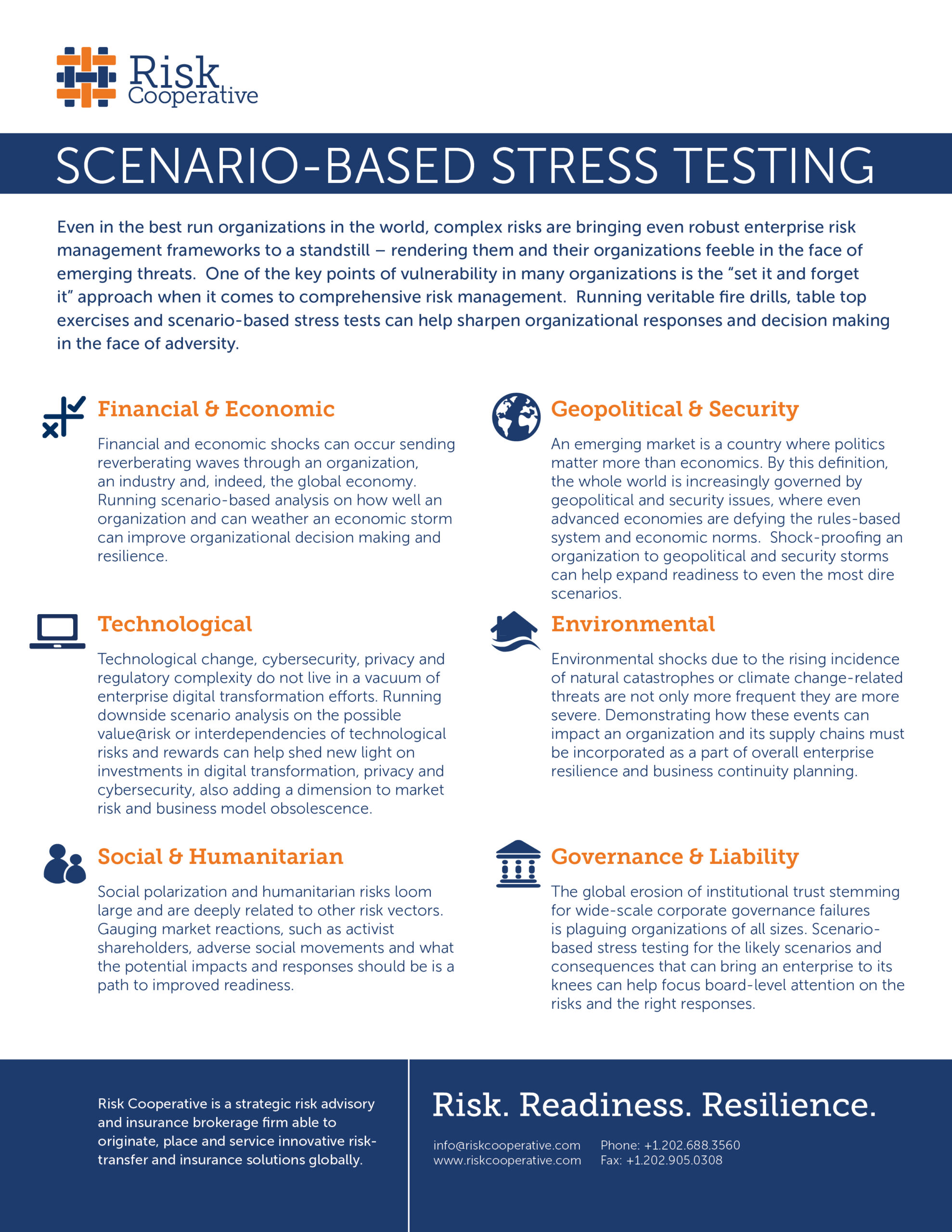
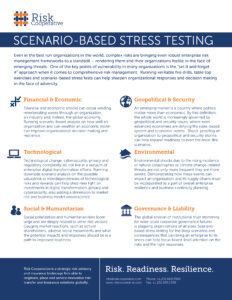
Running veritable fire drills, table top exercises and scenario-based stress tests can help sharpen organizational responses and decision making in the face of adversity.
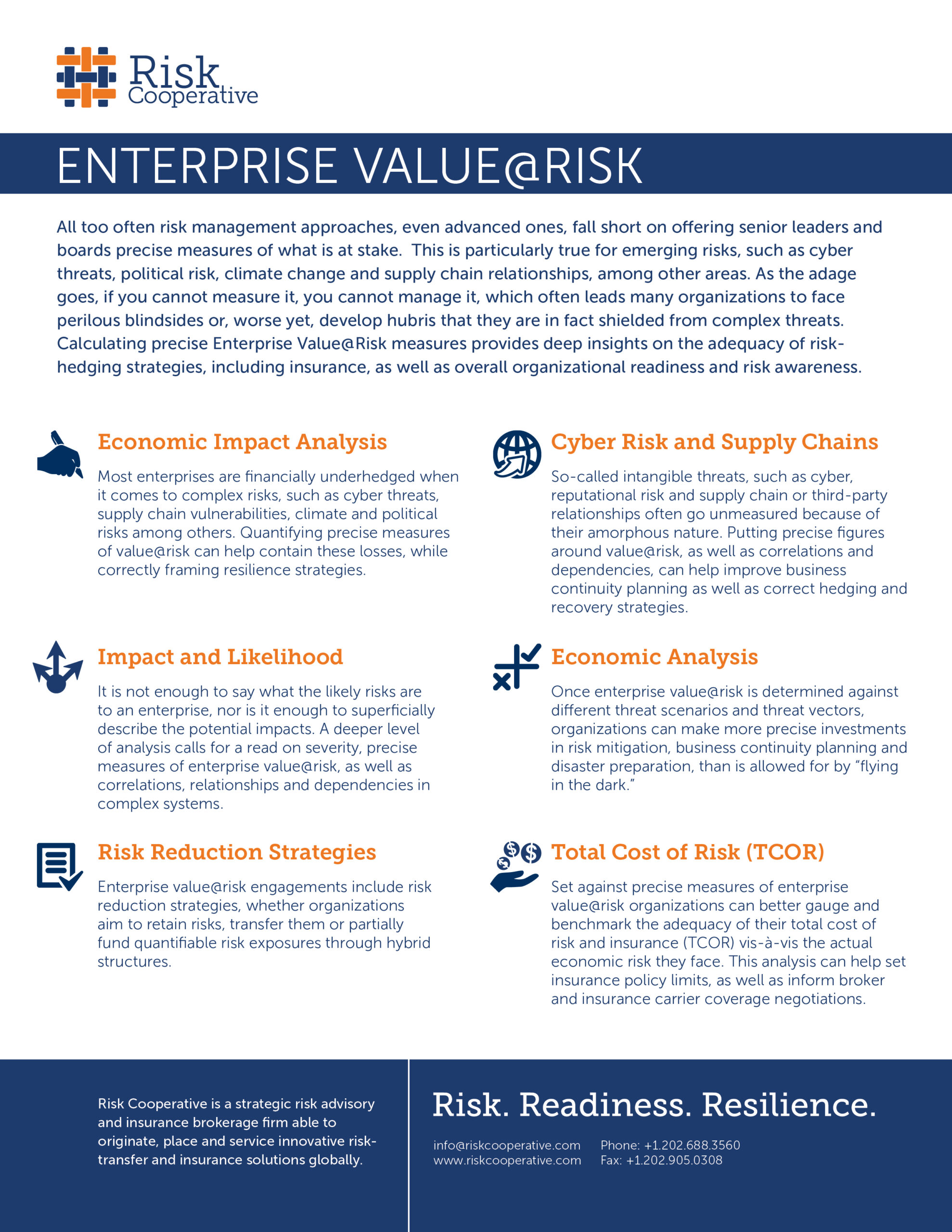
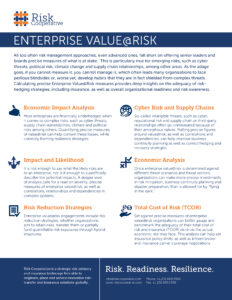
Calculating precise Enterprise Value@Risk measures provides deep insights on the adequacy of risk-hedging strategies, including insurance, as well as overall organizational readiness and risk awareness.
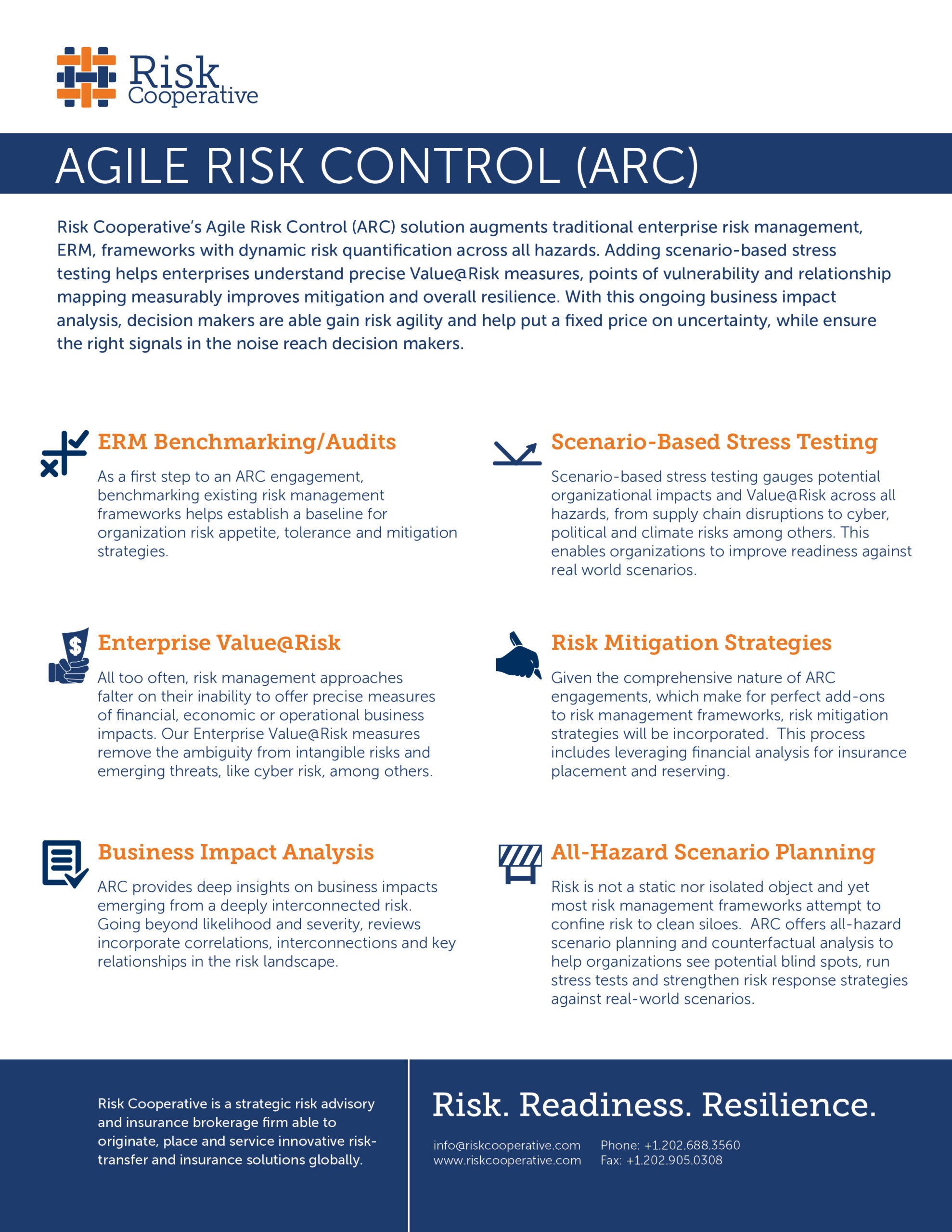
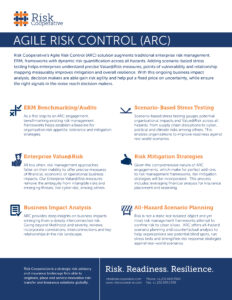
Risk Cooperative’s Agile Risk Control (ARC) solution augments traditional enterprise risk management, ERM, frameworks with dynamic risk quantification across all hazards.
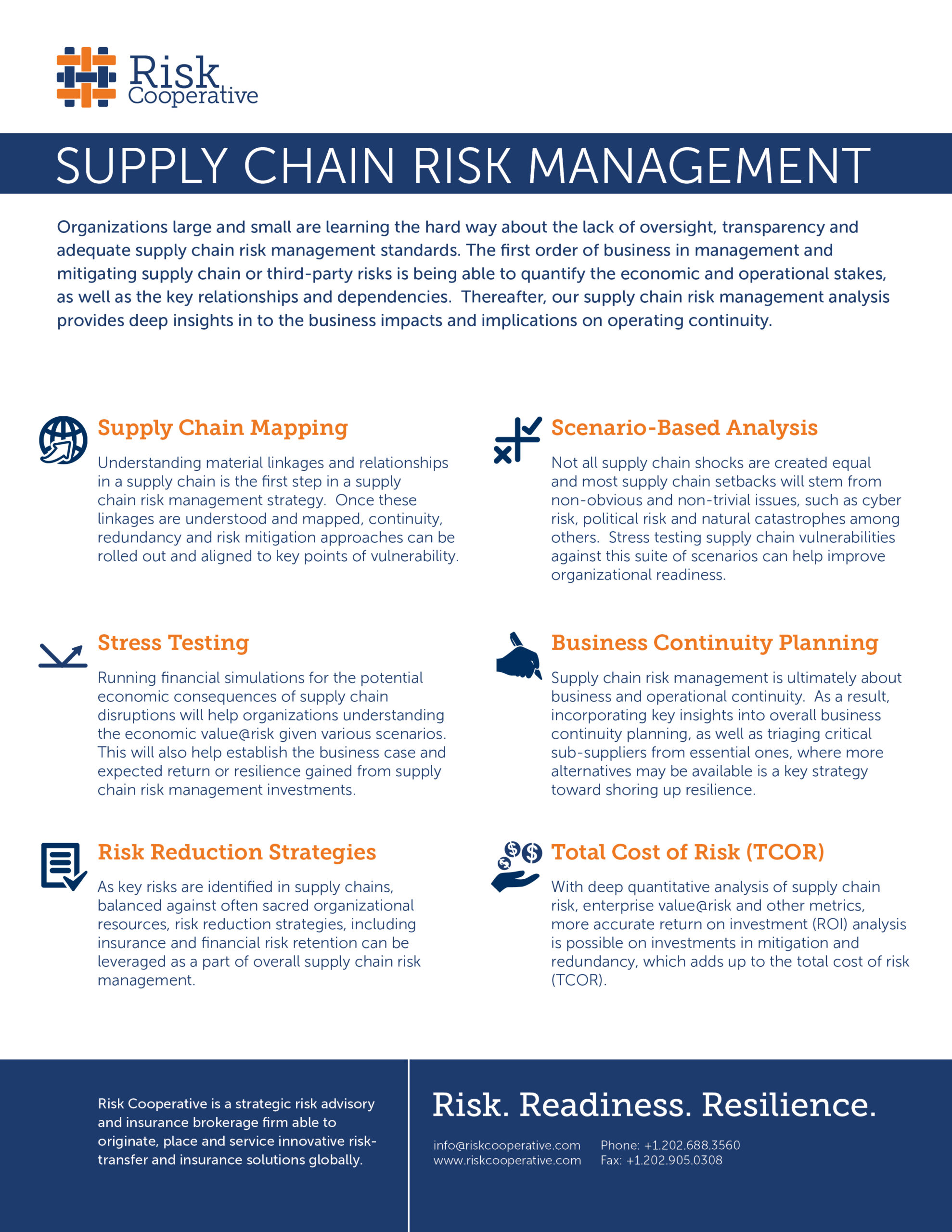
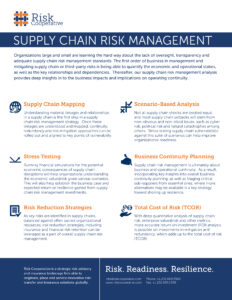
Organizations large and small are learning the hard way about the lack of oversight, transparency and adequate supply chain risk management standards.
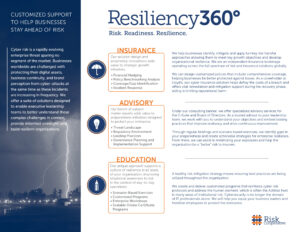
Forward-looking organizations are better able to seize opportunities and grow in unprecedented ways. Our integrated approach will identify and close the gaps in your preparedness, implement frameworks for continuous improvement, improve executive level communication and coordination, and unlock hidden capital that enables growth.
AncillaryBenefits Sep2021 scaled e1632170543955
Ancillary Benefits
Ancillary benefits can be a powerful tool in an increasingly competitive talent market. Moreover, these benefits can have an outsize impact relative to their cost.
RC Benefits 101 PEOS and Payroll Providers scaled e1679601582812
Pitfalls of Payroll Providers & Employee Benefits
Our experience working with clients requires us to advise clients to beware when utilizing payroll providers or PEOs for insurance needs. There are several pitfalls to avoid when these firms claim their buying power allows them to help control rising healthcare costs.
RC Cyber Exclusions Sep2021 scaled e1632170530825
Cyber Exclusions
Not all cyber insurance products are created equal. Coverage differences and exclusionary language amongst cyber policies has led to claims being denied, which often results in court rooms determining outcomes or large, unexpected losses that drive companies out of business.
RC Cyber 101 MinSecList July2021 scaled e1628018236122
Cyber 101: Minimum Cybersecurity Checklist
In the evolving cyber insurance market, carriers assess client risk when they review applications for cyber coverage. This checklist summarizes six areas for cybersecurity and the minimum standards that underwriters expect. While criteria for optimum rates and coverage is continually being updated, meeting these standards is a first step toward insurability.
RC Cyber 101 TechSpecs July2021 scaled e1628018253395
Cyber 101: Sample Technical Specifications
In the increasingly challenging cyber insurance market, clients must be prepared to provide detailed descriptions of their cybersecurity programs. The below sections provide key underwriting questions and considerations required to obtain a cyber quote.
R.CO ENGAGEMENT MODEL Oct2020
Tiered Engagement Model
Moving risk form a cost of doing business to a catalyst for growth, Risk Cooperative offers 3 engagement models based on organizational size and complexity. All engagement approaches are designed to address insurable risks, including employee benefits, property and casualty as well as specialty programs globally.
Stress Testing Sep2021
Scenario-Based Stress Testing
Running veritable fire drills, table top exercises and scenario-based stress tests can help sharpen organizational responses and decision making in the face of adversity.
ValueAtRisk Sep2021
Enterprise Value@Risk
Calculating precise Enterprise Value@Risk measures provides deep insights on the adequacy of risk-hedging strategies, including insurance, as well as overall organizational readiness and risk awareness.
ARC Sep2021
Agile Risk Control (ARC)
Risk Cooperative’s Agile Risk Control (ARC) solution augments traditional enterprise risk management, ERM, frameworks with dynamic risk quantification across all hazards.
SupplyChain Sep2021 1
Supply Chain Risk Management
Organizations large and small are learning the hard way about the lack of oversight, transparency and adequate supply chain risk management standards.
Resilience 360 Oct2020 scaled
Resiliency360°
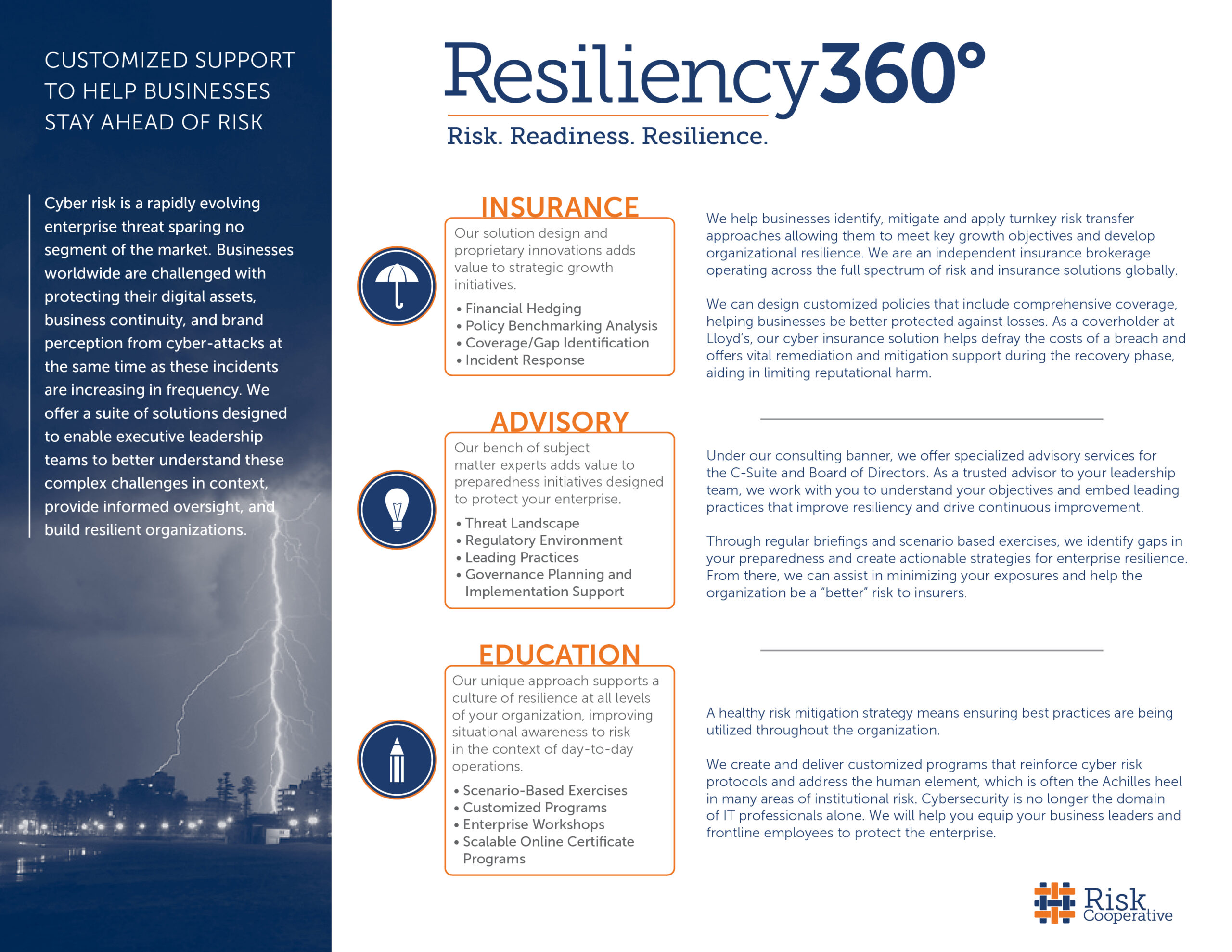
Forward-looking organizations are better able to seize opportunities and grow in unprecedented ways. Our integrated approach will identify and close the gaps in your preparedness, implement frameworks for continuous improvement, improve executive level communication and coordination, and unlock hidden capital that enables growth.
Scroll to Top